

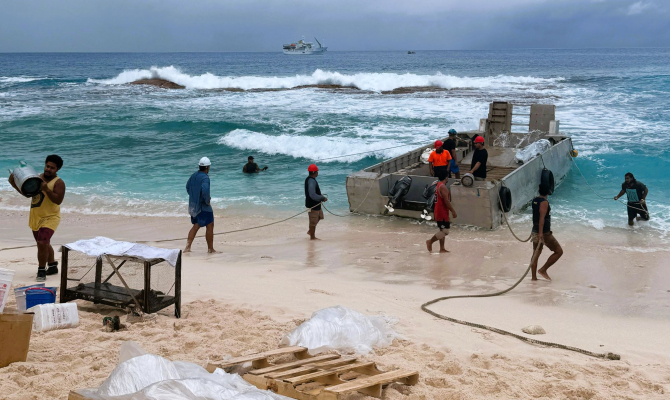
10 April 2026, Funafuti - Preparations are underway on Niulakita Island, Tuvalu, for an important conservation initiative to remove invasive rats and restore the island’s natural ecosystems and food resources.
The project is being led by the Tuvalu Department of Environment with support from the Pacific Regional Invasive Species Management Support Service (PRISMSS) through the Predator Free Pacific (PFP) programme, led by technical partners, Island Conservation.
The PFP is one of six invasive species management programmes, part of the Secretariat of the Pacific Regional Environment Programme (SPREP) led PRISMSS Restoring Island Resilience project, funded by the New Zealand Ministry of Foreign Affairs and Trade and the United Kingdom International Development.
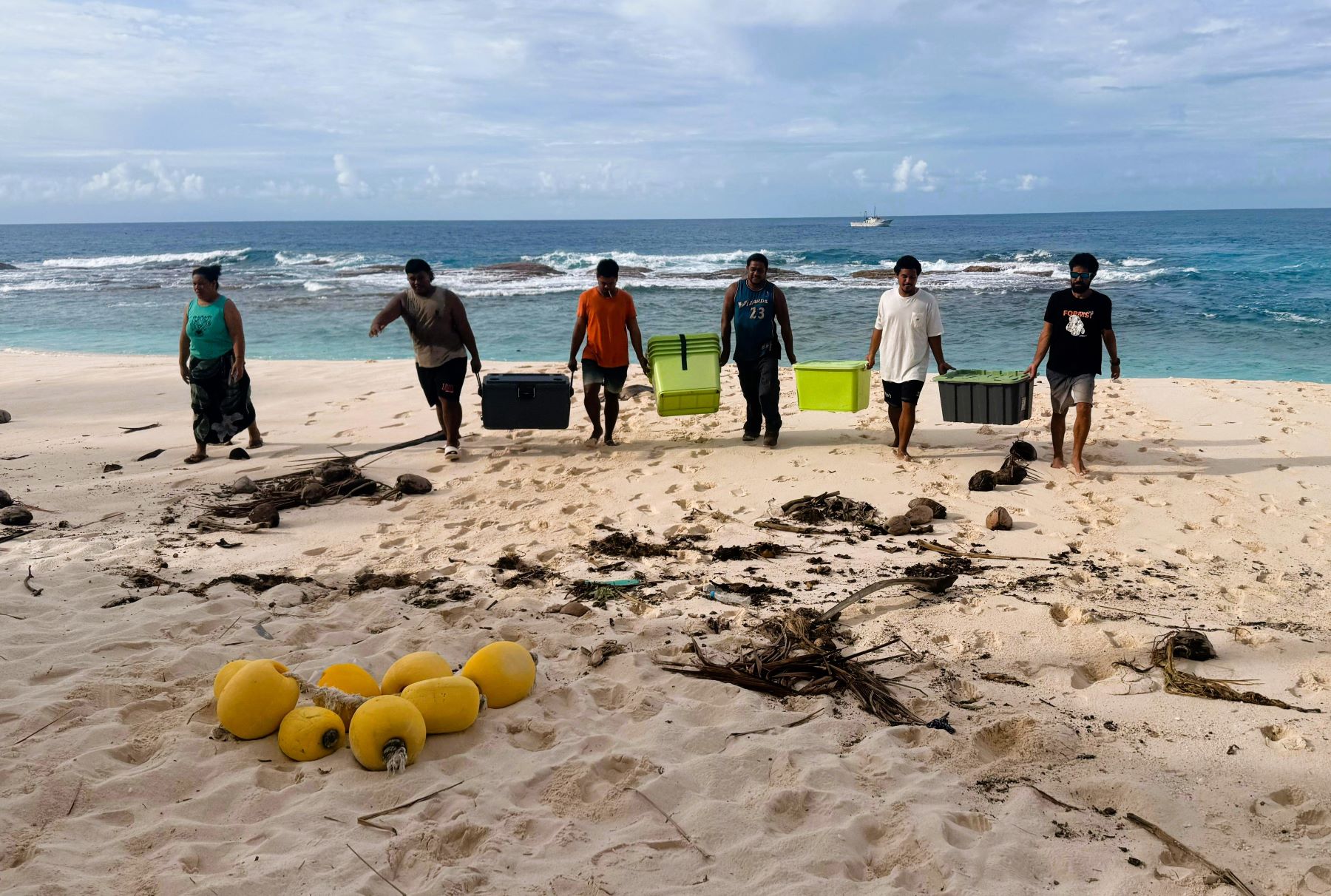
In early March, teams from Tuvalu Department of Environment and Island Conservation arrived on Niulakita to begin community engagement and operational preparations ahead of a planned eradication operation scheduled for April.
The team was warmly welcomed by the Niulakita community, including a traditional feast and introductions on their first day, reflecting strong community support for the project and its long-term benefits for the island.
Invasive rats have significantly impacted Niulakita’s ecosystems and livelihoods. The island’s main local export, coconut syrup or “toddy,” is frequently damaged by rats that chew into collection containers or gnaw through the ropes used to suspend them from coconut palms. Rodents also prey on seabirds and land crabs, which are important for subsistence and the health of the island’s ecosystem.
Over the past several weeks, project staff and local partners have worked closely with households across the island to ensure residents have the information and resources needed for safe and successful operation.
A representative from Island Conservation shared that, “activities have included household interviews to better understand how invasive mammals affect food security, discussions with residents about waste management, and plans for a community-wide “spring cleaning” to prepare the island for the eradication operation.”
“Community outreach has also included presentations at the local school, helping Niulakita’s youngest residents learn about invasive species and the importance of protecting their island environment. These efforts ensure the whole community is involved and informed as preparations continue.”
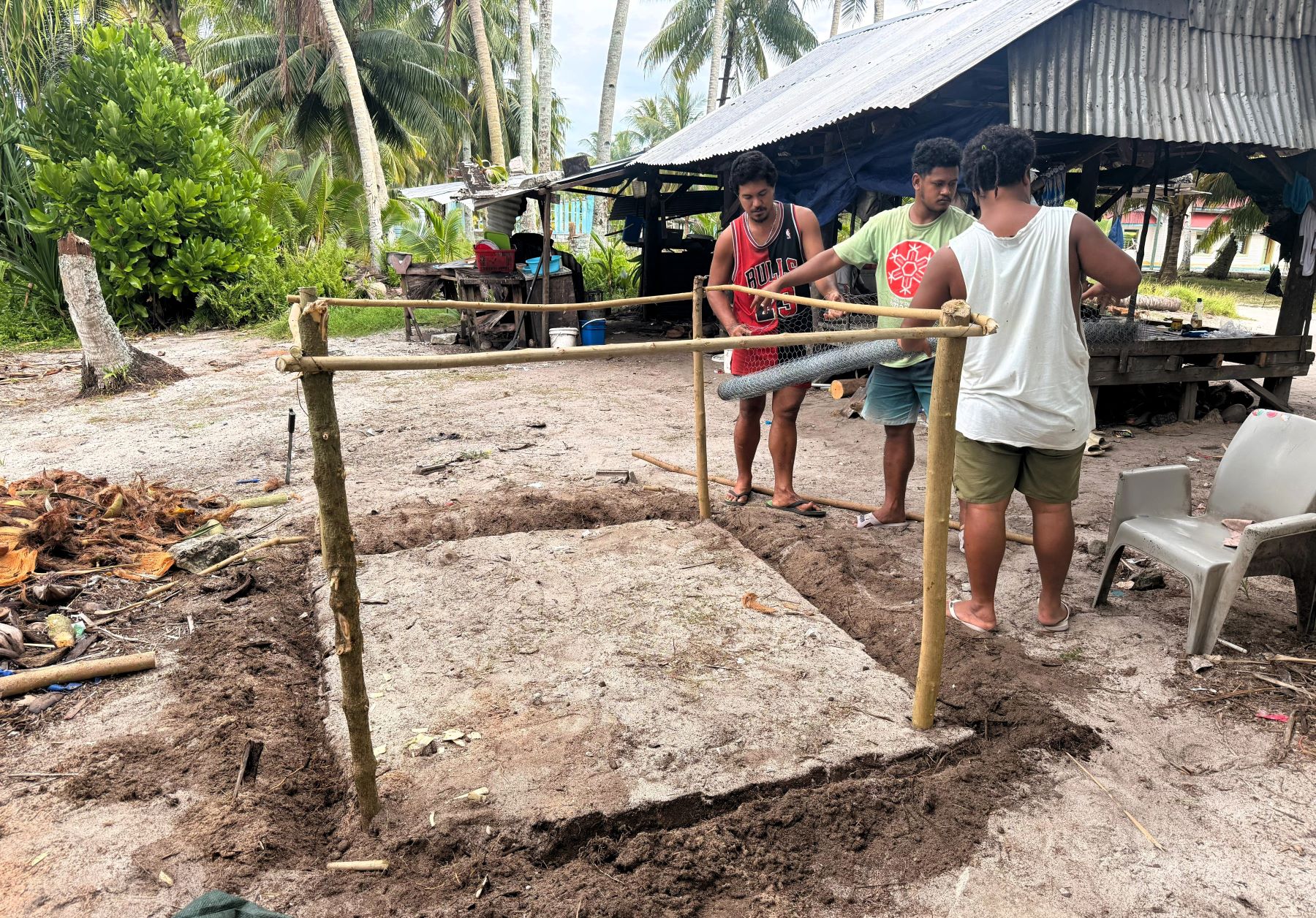
Several key logistical preparations are already underway. Working alongside residents, the project team has constructed a community chicken coop and built temporary enclosures to safely house cats and chickens during the eradication operation.
“A building near the boat landing has also been converted into a biosecurity inspection area to check incoming goods for invasive species, and repairs to community pig pens are currently in progress.”
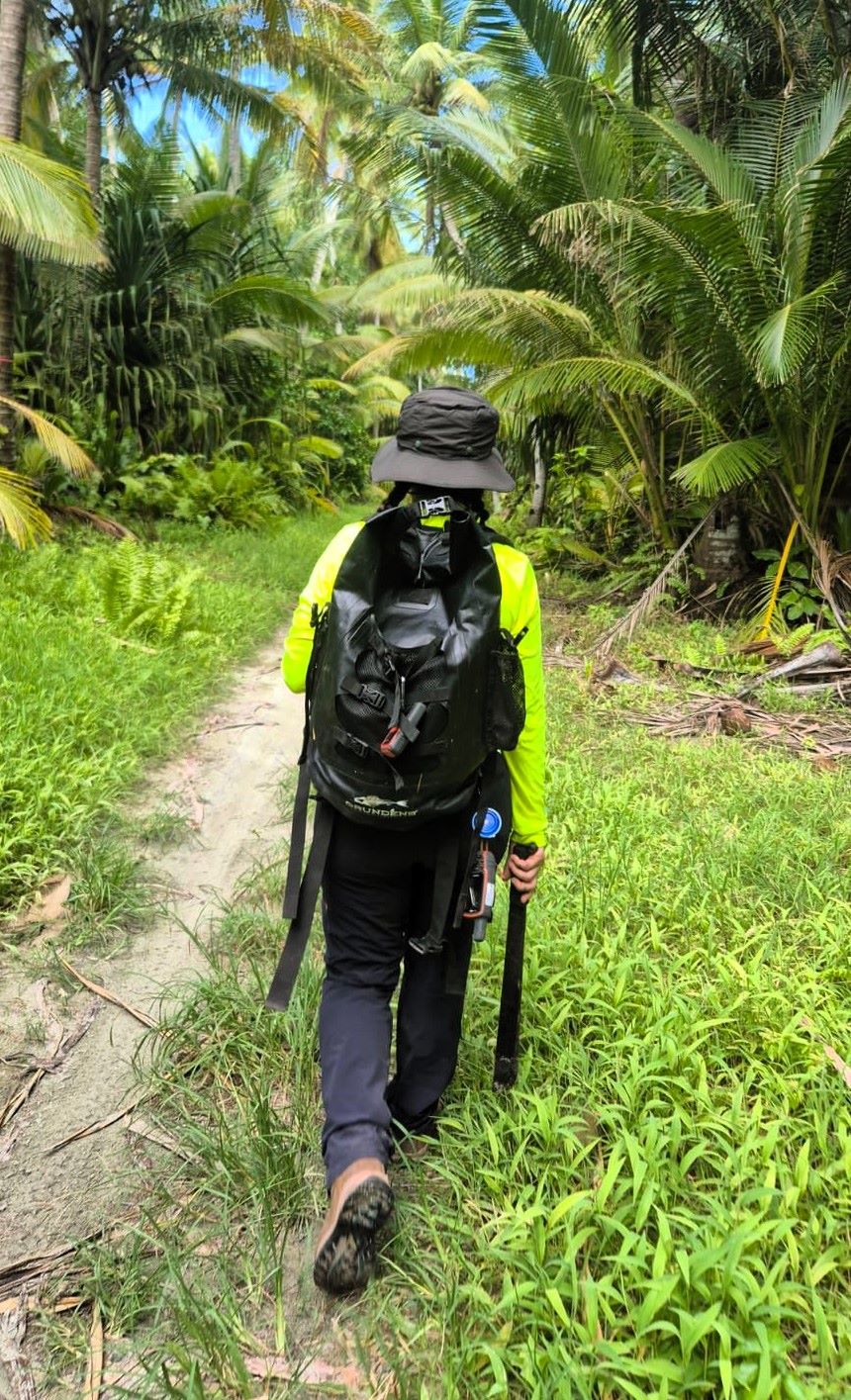
To help measure the ecological recovery of the island after the eradication, the team is also collecting baseline environmental data. This includes monitoring seabirds, land crabs, vegetation and rodent activity through field surveys, camera traps and biological sampling.
If successful, the eradication will allow native species to recover and help restore the island’s ecosystems, while protecting natural resources that support local livelihoods. The initiative also contributes to Tuvalu’s broader efforts to strengthen biodiversity conservation and climate resilience across its islands.
PRISMSS Manager, Mr Dominic Sadler shared that, “Tuvalu’s leadership in this initiative continues to demonstrate that Pacific nations can achieve significant conservation gains despite limited resources.”
“The challenges are real Niulakita’s remoteness makes eradication operations complex, and community involvement essential to prevent rats from re-establishing but the potential benefits are transformative.”
Through strong collaboration between the Niulakita community, the Tuvalu Department of Environment, and international partners, PRISMSS will continue to create more resilient islands for Niulakita and its communities.
About PRISMSS: The Pacific Regional Invasive Species Management Support Service (PRISMSS) is a service designed to facilitate the scaling up of operational management of invasive species in the Pacific. PRISMSS brings together experts to provide support within the Pacific region with a focus on protection of indigenous biodiversity and ecosystem function. As a service provider, PRISMSS provides a comprehensive suite of support services in a cohesive, effective, efficient, and accessible manner to Pacific Island countries and territories.
Restoring Island Resilience (RIR): The PRISMSS - Restoring Island Resilience (RIR) is a New Zealand-PRISMSS collaboration project that aims to improve Pacific Island Countries and territories livelihoods and resilience to climate change by reducing the impact of invasive species on natural and agricultural ecosystems through the six PRISMSS programmes.
PRISMSS Powered by: New Zealand Foreign Affairs & Trade, United Kingdom International Development, GEF, United Nations Environment Programme & SPREP.
PRISMSS Partners: Bioeconomy Science Institute NZ, Birdlife International, Earth Sciences New Zealand, New Zealand Department of Conservation, Island Conservation, the Pacific Community and SPREP.
PRISMSS Programmes: Protect Our Islands (POI), Predator Free Pacific (PFP), War on Weeds (WOW), Natural Enemies Natural Solutions (NENS), Resilient Ecosystems Resilient Communities (RERC) and Protect Our Marine Areas (POMA).
For additional information please contact Mr Dominic Sadler, PRISMSS Manager on dominics@sprep.org or Mr Nitish Narayan, PRISMSS Communications & Liaison Officer on nitishn@sprep.org
About Island Conservation: Island Conservation's mission is to restore islands for nature and people worldwide. We are a United States–based 501(c)(3) charitable organization with a globally distributed team—often made up of local islanders who bring deep knowledge and connection to the places where we work. Together, we collaborate with local communities, government management agencies, and conservation organizations to holistically restore islands by bringing back biodiversity, the foundation of all healthy ecosystems. We do this by removing a primary threat (introduced, damaging invasive species) and accelerating the return of native plants and animals. We utilize innovative technology and techniques to work more efficiently and showcase the many benefits of holistically restored islands for biodiversity, climate resilience, ocean health, and sustainable development across the globe.
Media Contact:
· Sally Esposito, Island Conservation, Strategic Communications Director: sally.esposito@islandconservation.org
· Nitish Narayan, PRISMSS Communications & Liaison Officer: nitishn@sprep.org